Arlington Heights reemerges as a stadium site after a promising meeting between the mayor and Bears CEO.
A Renewed Focus on Arlington Heights
The long-running saga over the Chicago Bears’ stadium plans has taken a significant turn. Arlington Heights Village President Jim Tinaglia confirmed this week that he held a private meeting with Bears President and CEO Kevin Warren—just hours before Tinaglia was officially sworn into office.
“It was really positive,” Tinaglia said. “Kevin… wants to come here. I’m pretty sure that he does.”
The conversation has revived optimism that the team might still move forward with a long-anticipated development at the 326-acre former Arlington Park site—a property the Bears purchased for $197.2 million in 2022.
Soldier Field Plans Meet Resistance
The Bears had recently shifted their focus back to downtown Chicago, unveiling plans in April for a domed stadium near Soldier Field. However, that proposal has run into opposition from lawmakers, taxpayer advocates, and groups like Friends of the Parks, due to concerns over lakefront development and public funding.
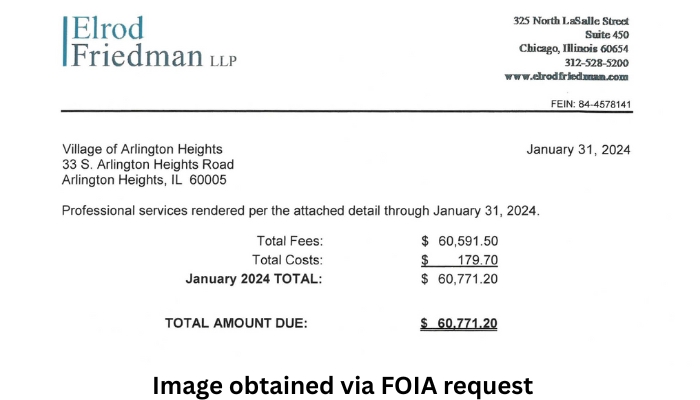
Arlington Heights, meanwhile, has been quietly preparing for a possible return to the negotiation table. Last month, the Village Board approved hiring consultants to conduct economic and traffic impact studies on the Arlington Park property—signaling that the town is ready to engage if the Bears want back in.
Tinaglia’s First Big Test as Village President
Tinaglia, a longtime trustee and architect, said his role would not include direct design involvement in any stadium project, but he plans to guide it responsibly.
“Whatever it becomes,” he said, “it should be a benefit to us and only make us greater and better.”
He also floated the possibility of the site hosting more than just football—hinting that even a Chicago White Sox ballpark could be part of a broader entertainment district if future talks emerge.
City vs. Suburbs: The Battle Continues
Chicago Mayor Brandon Johnson insists the city is still in talks with the Bears and is committed to keeping the team downtown. But with a lease at Soldier Field running through 2033 and no firm deal in place, Arlington Heights remains a serious contender—especially with the team already owning the land.
Team President Kevin Warren has previously said the organization is open to all possibilities and understands that the road to a new stadium will take “twists and turns.”
What It Means for Arlington Heights
A stadium could transform Arlington Heights economically, politically, and socially. Here’s how:
Economic Impact
-
Job creation in construction, hospitality, and retail
-
Increases in sales and property tax revenues
-
New business opportunities in hospitality and entertainment
Infrastructure & Costs
-
Higher demand for traffic management, roads, and public services
-
Potential tax burdens for local residents if public funding is requested
Political Dynamics
-
A growing city–suburb rivalry over the Bears’ future
-
Possible involvement from state legislators and zoning bodies
Community Life
-
Concerns about noise, congestion, and neighborhood character
-
Excitement over enhanced regional identity and entertainment options
“We’re just in the early stages,” Tinaglia said. “It’s pie in the sky talking right now—but we hope it leads somewhere real.”