In today’s world, freedom of speech is considered a fundamental human right. However, upholding this right in practice is proving to be quite challenging, especially in the digital age. The internet has made things more complex and highlighted the difficulties in ensuring free speech principles are respected.
At its core, free speech is all about the right of individuals to express their opinions and ideas without fear of government interference or punishment.

The Paradox of Free Speech
The freedom of speech encompasses an individual's entitlement to express opinions and ideas without government interference or reprisal. Although numerous companies and groups claim to uphold this freedom on their platforms, they often fall short in practice.
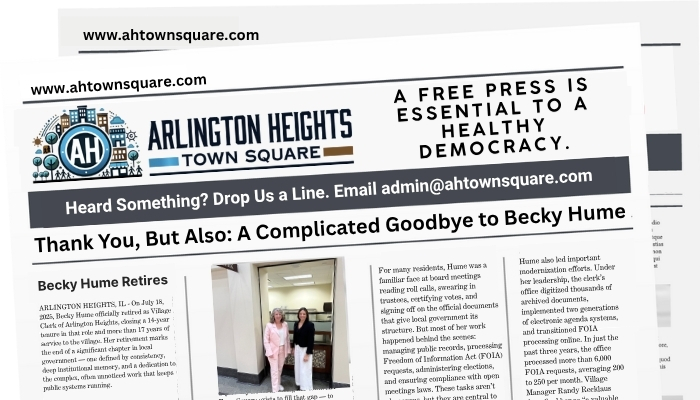
Social media platforms have become primary battlegrounds for free speech in the digital age. However, their moderation policies and algorithms often impact whose voices are heard and whose are silenced, which is not ideal. Recent controversies around content moderation have highlighted the inherent tension between protecting free speech and combating harmful content.
In addition, there are concerns about echo chambers and the suppression of dissenting viewpoints due to the rise of algorithmic curation. Although these algorithms aim to personalize user experiences, they may create filter bubbles that reinforce existing beliefs and isolate users from alternative perspectives.
The commercial interests of companies further complicate the landscape of free speech online, making it difficult to balance free expression with profit-making. This has led to instances of selective enforcement, where certain voices are amplified while others are marginalized based on arbitrary criteria.
The tension between free speech ideals and commercial imperatives is perhaps most evident in the context of content moderation. The lack of transparency in the moderation process undermines trust in the platform’s commitment to free speech, leaving users disillusioned and disempowered.
To address these issues, calls for greater accountability and transparency have grown louder. Governments, civil society organizations, and users alike must work together to safeguard this fundamental right in the digital age.
Ultimately, the contradiction between the ideal of free speech and its implementation by companies and groups reflects the complex interplay of competing interests and values in the digital sphere. Although the road ahead may be challenging, it is crucial that we remain vigilant in defending the principles that underpin our democracy. Only by confronting the contradictions and striving for greater accountability can we truly realize the promise of free speech in the digital age.