

Government Transparency
Government transparency is crucial for democratic governance, as it promotes openness, accountability, and trust between the state and its citizens. It involves providing accessible and comprehensive information about government activities, decision-making processes, and financial transactions.

Governments are funded through taxes collected from citizens and businesses, establishing a direct connection between public finances and government operations. We believe that citizens have the right to know how their tax dollars are being spent, and governments are mandated to disclose financial information, budgets, and expenditures.
Regulatory Oversight:
Government activities are subject to extensive regulatory oversight, ensuring compliance with laws and regulations. Various government agencies, auditors, and ombudsmen play a crucial role in scrutinizing public spending and holding officials accountable.
Open Decision-Making:
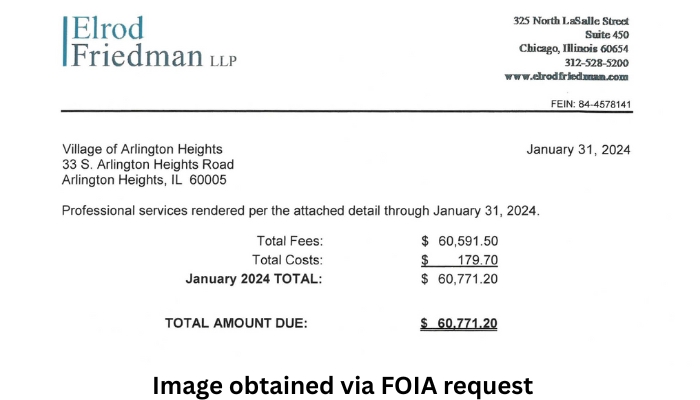
Public meetings, hearings, and legislative sessions are typically open to the public, allowing citizens to witness decision-making processes firsthand. Freedom of Information Acts (FOIA) empower citizens to request access to government records, promoting transparency and accountability.

Private Club Transparency
Private groups operate with a focus on exclusivity and restricted access, placing a high value on privacy within their operations. Whether it's a social club, a professional association, or a closed online community, these groups aim to provide a safe and confidential environment for their members.

Self-Funding and Autonomy:
Private clubs, especially those not reliant on tax dollars, generate revenue through membership fees, donations, and other sources. Since private clubs operate independently of public funds, they have more autonomy in decision-making without direct public oversight.
Voluntary Disclosure:
Private clubs may choose to disclose information about their activities, finances, and decision-making processes voluntarily. Unlike governments, private clubs are not obligated to share detailed financial records or adhere to strict regulatory frameworks, although some may adopt best practices for transparency.
Membership Control:
Private clubs are often governed by a board of directors or a leadership team elected or appointed by members. Transparency within private clubs is, to a large extent, shaped by the internal policies and expectations of the membership base.
It is important to note that while both government entities and private clubs value transparency, their approaches to achieving it differ significantly. Governments are required by laws and regulations to be transparent in order to ensure that officials are accountable to the public. On the other hand, private clubs, which operate without tax dollars, have more freedom in defining their own transparency standards. It is crucial for both types of organizations to strike a balance between accountability and autonomy in order to maintain public trust and fulfill their respective missions. As discussions on transparency continue, we recognize the unique challenges and responsibilities faced by each entity and encourage exploring ways to enhance accountability within their specific contexts.