
Arlington Heights – As the April 1 election draws near in Arlington Heights, there’s growing concern over the recent pay raise, bonus, and contract extension granted to Village Manager Randy Recklaus. This move has sparked a mix of criticism and questions from residents, but are they directing their frustration at the right people.
The article “Arlington Heights Manager’s Pay Raise Before Election” sheds light on the raise and bonus awarded to Recklaus, particularly its timing, right before the election. While many are upset with Recklaus himself, it’s important to note that the Village Board members and the current leadership—specifically the Village President and trustees—are the ones who approved these increases. This raises several important questions about their motivations and the process behind such decisions.
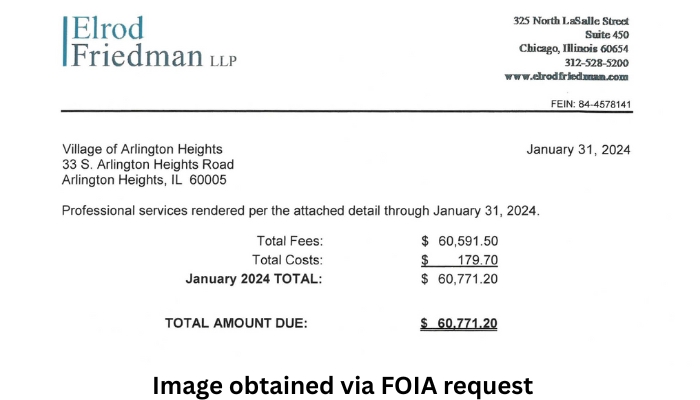
The outrage over Recklaus’s lucrative salary increases over the past few years and the recent $10,000 bonus is palpable. However, it’s crucial to consider the broader context. Why did the Village Board approve these pay increases, and what were the driving factors? Recklaus has received several raises during his tenure, and while some might argue that a manager’s compensation should reflect their performance, the timing and magnitude of these increases seem to have caught many by surprise.
Critics seem to be focusing their ire primarily on Recklaus, but perhaps they should also scrutinize the actions of the Village Board members who authorized these decisions. The Village President and trustees play a crucial role in overseeing contracts and salary negotiations for the Village Manager. Their approval of recent raise and bonus has raised questions among residents. Was this decision solely based on Manager Recklaus’s performance, or are there other factors influencing the board’s decision?
One of the most contentious issues surrounding Recklaus’s compensation package is the $10,000 bonus, which has prompted further inquiry. What specific achievements or performance benchmarks triggered such a bonus? Was it related to a particular initiative or milestone in the village’s development? Or is it simply a reward for consistent service?
The bonus could very well have been earned due to specific successes, but this needs to be transparent. Without a clear explanation of the reasoning behind such financial rewards, the public may feel as though it is being left in the dark. If there are indeed good reasons behind these decisions, they should be clearly communicated to the community.
The timing of Recklaus’s recent contract extension adds another layer of complexity to this situation. With a new administration set to take office following the April 1 election, why did the Village President and trustees approve an extension for Recklaus? This decision essentially ties the hands of the incoming administration, preventing them from making their own judgment about the manager’s future. Could it be that those currently in office are ensuring continuity for reasons that may not be immediately obvious to the public? Or could there be concerns about the incoming leadership that led to this preemptive move?
The contract extension raises significant questions. While it could be argued that it offers stability to the village, it also limits the incoming administration’s ability to make decisions about the manager’s role. Some might argue that it’s an overstep by the current leadership, who should allow the new administration the freedom to determine who is best suited to lead the village.
Should There Be More Transparency?
While it’s possible there are good reasons for all of these decisions, transparency is crucial. If the village board has been consistently approving Recklaus’s raises, bonuses, and now an extended contract, there should be a clear, public explanation for why these actions are in the best interests of the village. The public deserves to know what factors were considered in granting such a lucrative package to the manager, especially when such decisions are made right before an election.
Ultimately, while residents may be upset with Recklaus’s compensation, it’s important to remember that the true accountability lies with the Village President and the trustees who authorized these decisions. And with a new administration on the horizon, residents should be aware that these actions could have lasting implications for the future direction of Arlington Heights.
As the election approaches, voters have the opportunity to voice their concerns and demand clarity on the rationale behind these decisions. It’s crucial that residents make their voices heard, not only to address the specific decisions regarding Recklaus but to ensure that future leadership is transparent, accountable, and open about the choices they make. After all, understanding the full story is key to shaping the future of Arlington Heights.